Local process
Phase an electrical project without losing its assumptions
Track decisions, dependencies and revisions across separate scopes.
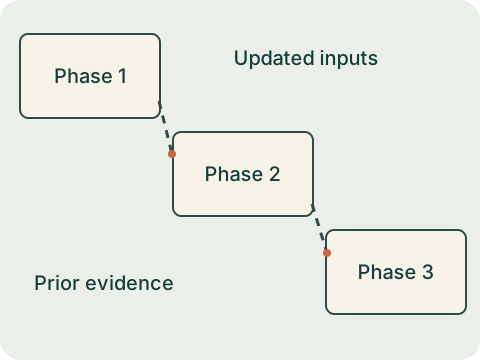
Create a scope for each phase
List the result intended in each phase and identify the equipment assumptions behind it. Separate the phase currently being quoted from future possibilities. A project may begin with selected equipment and later expand, but a speculative future list should not be presented as already approved work.
Record which assessment, authority response or utility information each phase depends on. Use the responsible parties' documents and stated dates rather than invented processing times. The planner is a coordination record, not a scheduling or engineering guarantee.
Ask what transfers between phases
Request an explanation of which completed work and documents are intended to support a later phase. Ask what must be reevaluated if equipment, location, occupancy or utility arrangements change. Do not assume that a larger enclosure or unused breaker space proves readiness for all future plans.
Keep each phase's quantity inventory and quote scenario dated. If the inputs change, recalculate and preserve the earlier brief. A future reviewer should be able to trace the source of an equipment value and distinguish it from a design conclusion supplied by a qualified party.
Reconcile responsibilities before continuing
Confirm the actual contractor, local approvals and utility responsibilities for the next scope. Prior approval for one phase is not blanket authorization for later work. Ask who reviews interfaces with the completed installation and who provides the resulting records.
Before closing a phase, record outstanding items, cost changes and household interruption requirements. Keep unconfirmed future choices visible rather than forcing the record to appear complete. The useful result is a project history that supports informed review while making no claim about a guaranteed panel rating, service availability or final price.
A worked planning example
Phase one concerns selected equipment, while phase two depends on an undecided purchase. The phase-one brief can show the future intention without including an invented specification in the confirmed scope. Ask the reviewer what must be revisited when that product is chosen.
When phase two begins, compare the new equipment and requirements with the earlier records. Keep the prior final documents and the new assessment separate. If the project objective changes, obtain a revised explanation of the interfaces and responsibilities. This avoids both losing useful earlier evidence and assuming that an earlier approval authorizes every later addition.
Keep in your brief
- Date each scenario.
- Recheck changed equipment and scope.
- Do not extend a prior approval automatically.
Primary references
- Permits — Houston Building Code Enforcement
Houston, Texas
- Electricians compliance guide — TDLR
Texas
- Electric service request — CenterPoint Energy
CenterPoint Houston electric service territory, where applicable